
When someone suddenly suffers a stroke or is diagnosed with a serious illness such as breast cancer, families often ask, “Why has this happened to us/me?” before asking what is happening in the person's body.
Stroke is the third leading cause of death in the country. In many cases, people first seek spiritual help and only go to hospital when it is too late to prevent death or permanent disability.
I did not want to write a story that simply blamed these choices on superstition. I wanted to understand why people make them.
 Lungelo Ndhlovu
Reporting this story was not easy. These are painful and sensitive issues faced by our community members.
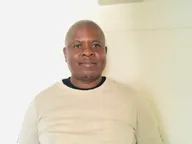
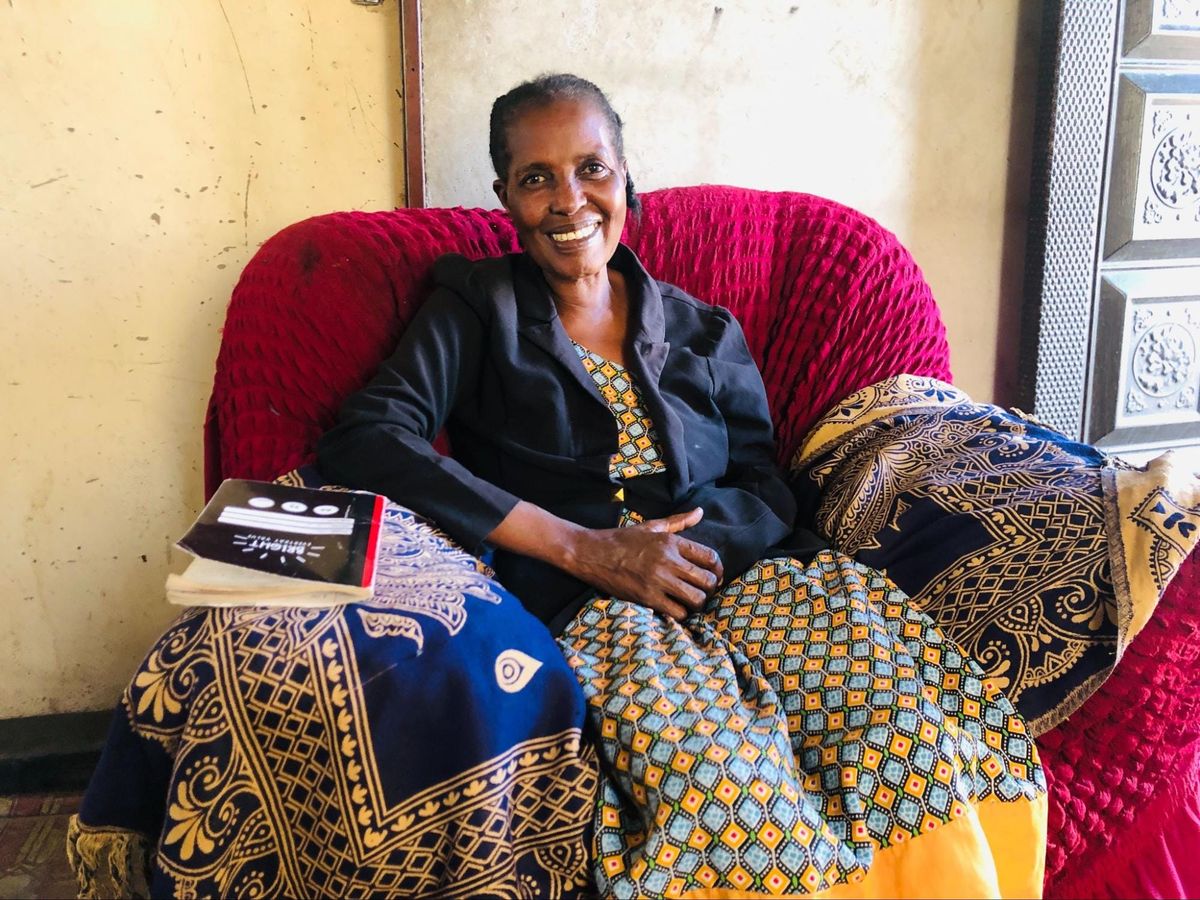
Speaking to stroke survivor Bigboy Madzivanzira about how his relatives believed he had been bewitched required patience and trust. I also visited Sabina Hadabe at her home. She was sitting outside with her helper when she welcomed me into her home in Cowdry Park. During our conversation, I noticed that one of her hands was deformed and she could no longer use it. She explained how fear and spiritual concerns had led her to stop taking her HIV medication.
At United Bulawayo Hospitals, Dr Munyaradzi Magara spoke about the sadness of seeing breast cancer patients return months after missing their surgery. He explained that some had scars from traditional treatments, and by then their cancer was no longer treatable.
One of the biggest challenges was distinguishing between cultural beliefs and financial problems. It is easy to blame people for choosing traditional healers. However, my reporting in Bulawayo showed that problems in public hospitals also influence these decisions. Some hospitals do not have CT scanners, while patients can wait months for therapy. Private rehabilitation can cost up to $1,800, yet many families survive on less than $200 a month.
Traditional healers are often closer, cheaper, and understand the beliefs of the communities they serve.
What surprised me most was that doctors, therapists, and traditional healers shared a similar view. The problem is not always spiritual belief, but delaying medical treatment. Dr Mbusi Falayi, a Bulawayo health official, explained that many families are comfortable using both spiritual and medical care. The danger comes when hospital treatment is delayed.
Rather than treating faith and medicine as enemies, people such as Madzivanzira and traditional healers’ leader George Kandiero want them to work together. Families should be free to pray if they wish, but patients must also be referred to hospitals early enough to receive treatment.
Warmly,
Lungelo Ndhlovu,
Contributor
🌞 NEWS BEHIND THE NEWS
- 🏦 Congrats to Alex, who has been elected the next treasurer of the Asia Chapter of the Asian American Journalists Association! His two-year term begins in 2027.
- 🇹🇭 Alex will also be in Chiang Mai to attend Splice Beta from November 28th to 30th. If you're attending, please say hi!
- 🐖 Please welcome our new members and returning supporters:
- 🌱 Gardeners: Grace from California, Emily from D.C., Misty from Georgia, Yao Hua from Malaysia
- 🌸 Supporters: Katrina from Illinois, Leah from Missouri, Blair, and Sharon!
Thanks to NewsMatch, all new monthly memberships are matched up to 12x, and all tax-deductible donations are matched dollar-for-dollar up to $1,000!