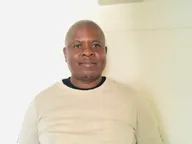
BULAWAYO, Zimbabwe — Before his stroke, Bigboy Madzivanzira was focused on building a career in public health. In his mid-30s, he was studying health promotion at the University of Zimbabwe while also undergoing practical attachment at the Gokwe District Hospital. But his studies and daily life were disrupted when he suffered a stroke that paralysed the left side of his body.
His relatives, meanwhile, struggled to understand what had happened to him. They thought he had been bewitched or that an avenging spirit had caught up with him. “[My] close relatives asked me whether I had taken someone’s wife or done something wrong,” Madzivanzira, now 58, told The Xylom.
His experience illustrates how quickly people in Zimbabwe attribute such collapses to witchcraft. “This is very common in our setting,” says Madzivanzira, a medical rehabilitation practitioner working with patients having neurological disorders.
“Munhu angodonha hanzi abatwa (a person falls and people claim they have been possessed by evil spirits or witchcraft), so families look for a spiritual explanation.”
Madzivanzira suffered the stroke after Gokwe District Hospital stopped paying his allowance for the course. “To me, it was just a stroke. I was under a lot of pressure,” he recalls.
Surviving the stroke led him to establish the Health Promotion Clinic Trust (HPCT) that offers professional wheelchair services and community-based rehabilitation programmes.
Over the course of his work, he has observed that sudden physical changes lead families to suspect that evil spirits are at play. For example, facial drooping and drooling, caused by an imbalance of facial muscles, is often attributed to akatsinzirwa (possession by evil spirits) or ngozi (an avenging spirit). One-sided paralysis (hemiplegia), because of which the person’s hand curls or leg drags, is seen as kufa kwekunze (incapacitated by a spell).
“At HPCT, we do not dismiss beliefs; we respect them. But we explain that a stroke is a medical emergency — a blood vessel in the brain is blocked or burst,” says Madzivanzira.
Dr. Mbusi Falayi, assistant director of health services at the city of Bulawayo, says late presentation to emergency care is the most common problem they encounter in stroke cases. According to the World Health Organization (WHO), stroke is the third leading cause of death in Zimbabwe, killing around 78 out of every 1,00,000 females, and around 56 per 1,00,000 males.
Falayi confirms that municipal health staff regularly meet families who view sudden illness through a spiritual lens. For him, the danger lies in what families choose to do first: “A spiritual explanation is an attempt to answer the question families most urgently want answered: why has this happened to this person now? Biomedicine answers a different question: what is happening inside the body, and what can be done about it in the next few hours?”
Most families are willing to do both, he says. “The harm arises not from belief itself but from sequence: when spiritual consultation comes first and the hospital second, the window in which the brain can be salvaged has usually closed.”
So, the city urges residents to reverse the sequence — go to the hospital first and attend to everything else afterwards. “We work through traditional leaders, church leaders and our Health Centre Committees (HCCs) to carry that message,” says Falayi.
The Xylom is an independent, nonprofit website whose work is written, reported, and owned by human journalists. Our intended audience is real people, not AI scrapers, bots, or a search algorithm; we don't take money from fossil fuel companies, lobbyists, or politicians either. Become a member to access exclusive events and free swag.
Sometimes, delay is simply due to misinterpretation of symptoms. Charles Kanogoiwa, 68, suffered a stroke a decade ago in Tsholotsho district where he worked as a cameraman for the state broadcaster ZBC. “I didn’t know it was a stroke, so I drank a lot of water since I thought it was a hangover from my previous drinking,” he recalls. His condition worsened until his legs gave out, and he was rushed to hospital.
Through physiotherapy, Kanogoiwa gradually regained some strength and movement. Today, he says he can drive long distances on his own, including the 273-mile journey between Bulawayo and Harare, Zimbabwe’s capital.
A 2017 study involving 121 stroke patients at Parirenyatwa and Harare Central hospitals found that only a third could recognise stroke symptoms. A quarter had already sought alternative treatments, most commonly faith healing, that likely delayed medical care. The study also found that patients without readily available money to pay hospital fees had significantly higher odds of delayed hospital presentation. These findings highlight how a combination of limited awareness, financial constraints, and beliefs about alternative treatments contribute to treatment delay.
The Consequences of Delay
For stroke survivors, rehabilitation is the next challenge. Bigboy Madzivanzira warns that delayed therapy can result in permanent disability. The survivor may have permanent paralysis on one side of the body, facial droop, or lose their ability to swallow, which can lead to serious lung infections when food and fluids enter the lungs instead of the oesophagus.
“If physiotherapy is delayed beyond 48-72 hours, we get secondary complications: muscle contractures, shoulder subluxation, deep vein thrombosis, pressure sores, and frozen shoulder. The arm that could have been saved becomes a painful, non-functional arm,” he adds.
However, rehabilitation costs can be prohibitive for many families. According to Madzivanzira, a stroke survivor would require at least 36 physiotherapy sessions, costing between $900 and $1,800 in the private sector, excluding transport and other expenses. Public hospitals charge less – between $180 and $540 – but with wait times as high as two to six months.
“Most families in Zimbabwe live on less than $200 per month. They attend 2-3 sessions, then stop when money runs out,” says Madzivanzira. The person then suffers deformities that may cost the family a lifetime of lost income.
Falayi says the city’s primary healthcare clinics are often the first point of contact for stroke patients in cases where the family does not contact the municipal ambulance service. Because primary clinics cannot do brain imaging, rapid referral to hospitals is vital, he says.
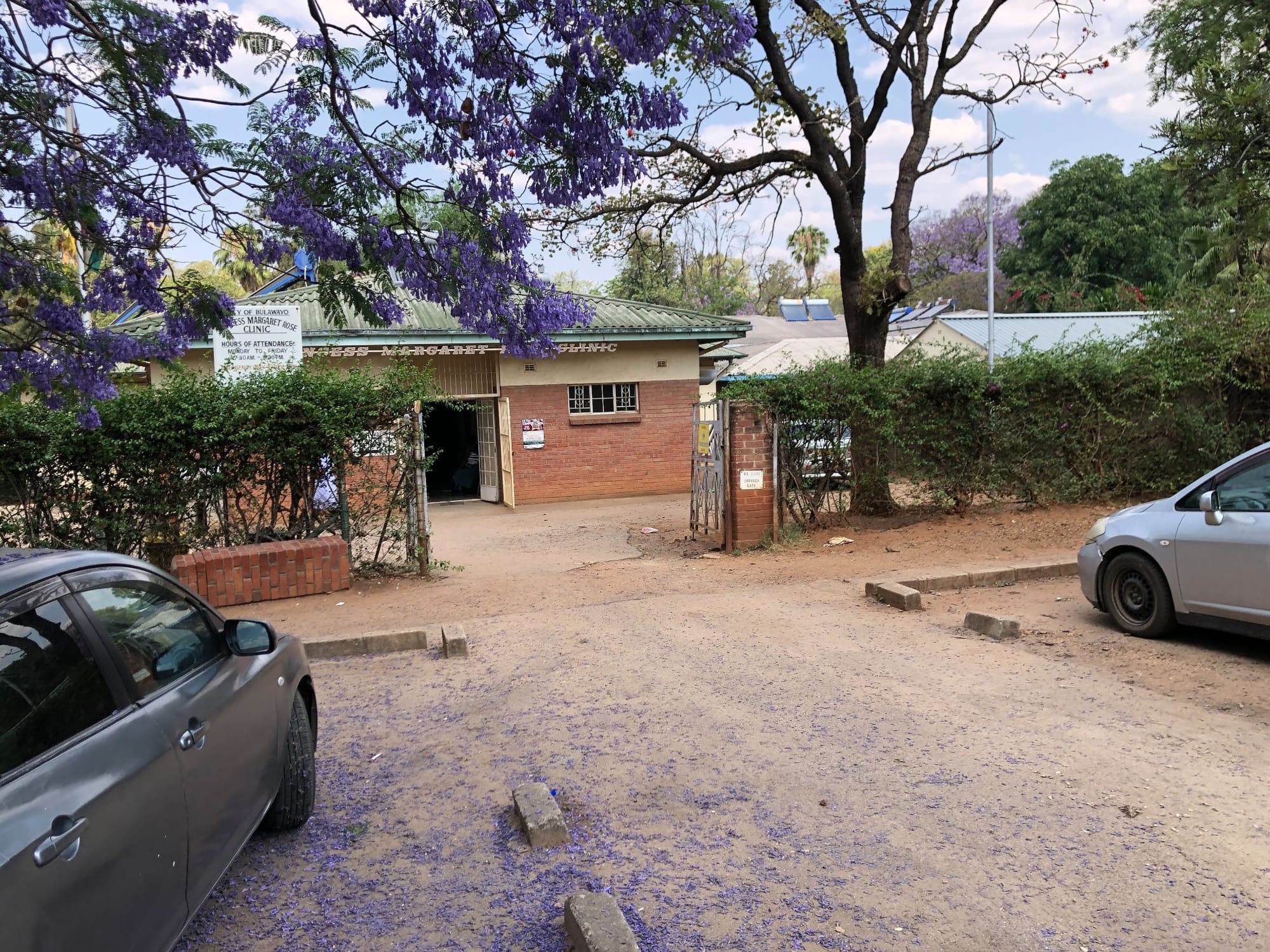
Gaps in the public healthcare system can push families towards traditional healers. For families in rural communities such as Njelele in Gokwe, accessing stroke care can be difficult. Patients may find that public hospitals lack CT scanners or neurologists, ask them to buy medicines from private pharmacies, or refer them to Harare without arranging transport. Such experiences erode confidence in public healthcare, Madzivanzira says.
“And then the next logical step is to go to traditional healers because they are nearby, affordable, speak the same cultural language, and give an immediate explanation.”
The United States had long been Zimbabwe’s largest health donor, supporting its clinical care, laboratory systems, health workers, medical supplies, and community-based programmes. However, after Zimbabwe rejected the Trump administration’s demand to share sensitive health data under President Donald Trump’s new “America First” approach to foreign aid, the U.S. ended all health funding to the country at the end of September.
With the city’s resources stretched, Falayi says prevention is critical. “Hypertension is the most important modifiable risk factor for stroke, and it is largely silent until it causes damage, which is why detection has to be active rather than reliant on people presenting with symptoms.” Bulawayo sends outreach teams into suburbs to screen residents for hypertension.
Family Planning Strengthens Agency for Women, Youth in Zimbabwe
The Zimbabwe National Family Planning Council focuses on improving maternal health outcomes by providing reproductive health and family planning resources, including contraception and educational counseling, at clinics, local health facilities, and community organizations. Since 2010, the country’s maternal mortality rate has fallen and the rate of married women using modern contraceptives has reached 69%.
Impact on Chronically Ill Patients
It's not just stroke patients who are affected; fear and prayer can result in life-threatening complications for patients with chronic conditions.
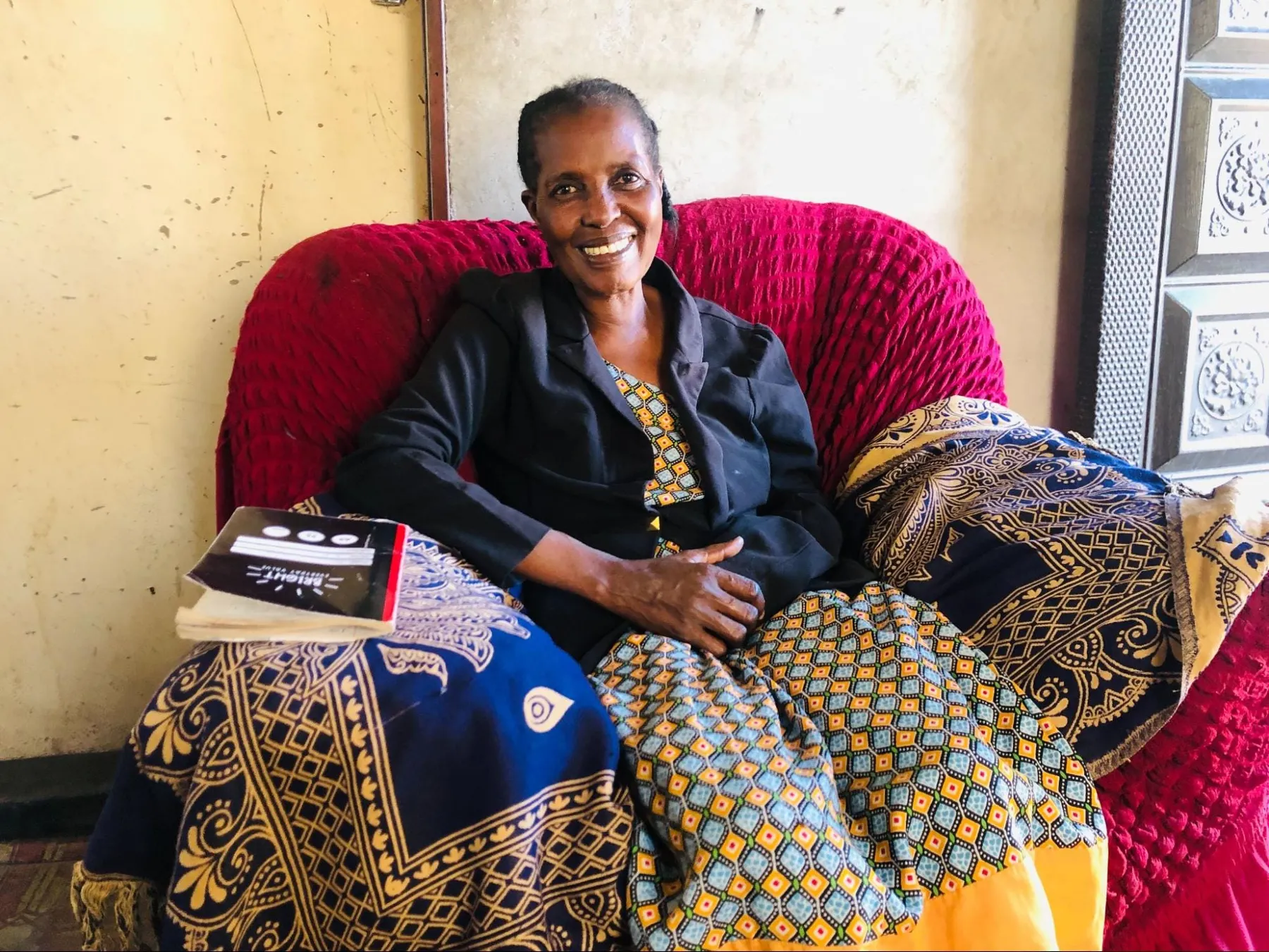
In early 2013, Sabina Hadabe discovered that she had contracted HIV from her husband, who had concealed his HIV-positive status and taken medication secretly. Even after testing positive, she spent months in denial, unable to come to terms with her diagnosis and unwilling to take medication regularly.
Now 59, she has come to terms with her HIV status. Seated in her cosy living room in Cowdray Park, surrounded by colourful cushions and patterned fabric, she speaks candidly about the shock of her diagnosis and the difficult journey towards acceptance: “I used to pray before taking my HIV medication. Thrice, my pill bottle fell down when I was about to take the tablets.” Viewing these everyday mishaps as messages from spiritual forces, Habade stopped taking her medication.
The consequences were severe. Hadabe fell at her home in August 2013 and was discovered by her neighbour’s child — lying cold and drooling. The neighbour’s family called an ambulance, and she was admitted to the intensive care unit of Mpilo Hospital. “I woke up in a coma on the fourth day, on a drip,” Hadabe says, adding that she started taking her HIV medication after that episode.
Dr. Munyaradzi Magara, head of the United Bulawayo Hospitals (UBH) Breast Cancer Unit, sees similar delays among breast cancer patients. Some people who notice changes in their breasts avoid hospitals, believing the problem may be caused by witchcraft. They seek help from traditional healers instead, to exorcise spirits. “They may not say it, but we notice scars on the breasts, scars around the chest,” he says.
In an alarming pattern of delayed treatment, some patients miss the scheduled surgery and return months later, when the cancer may have become incurable. Dr Magara recalls that three such patients showed up within the same week last July — one of them died within a week, another was no longer eligible for surgery, and the third woman needed chemotherapy to shrink the tumour before surgery could be considered again.
A Unified Effort
Reducing fatalities from stroke and other medical emergencies in Zimbabwe means bringing traditional healers into the equation.
“There is a good argument that traditional and faith practitioners should be engaged deliberately as recognisers and referrers rather than treated as competitors, since they are often the first person a family actually speaks to,” Dr Falayi says.
The Xylom is an independent nonprofit. We have no owners or shareholders, no corporate interests, and no government contracts. We have no paywalls. Everything we publish is free. Join our community of members and cancel anytime.
Can that be done through formal hospital linkages? George Kandiero, president of the Zimbabwe National Traditional Healers Association says, “I believe there should be a referral system between us and modern doctors, so that we share knowledge. We are registered with the Ministry of Health, and that registration is our passport. But we are encouraging clinics and hospitals to adopt an open referral system, where cases they feel need our intervention can be freely referred to us.”
In the end, experts like Madzivanzira believe saving lives means bringing medicine and faith into the same room: “Our approach is family therapy and medical rehabilitation; we invite the family, the faith leader, and the therapist to sit together. We pray if they want to pray, then we do physio.”