
I’ve spent most of this past week in Maryland completing the first part of the Gerontological Society of America (GSA) Journalists in Aging fellowship.
 Todd Kluss
This fellowship requires the publication of two stories and a trip to the GSA’s annual research conference. The conference drew 4,000 attendees and was held this year in National Harbor, Md., a weird little town with a population of 5,509 that feels a lot like Disney Springs, if you have been.
For those who know me, this won’t come as a surprise: this summer, I revealed for The Xylom and The Nation the growing national crisis for elderly prisoners. Building on my reporting, my GSA fellowship project focuses on the cognitive health of aging incarcerated folk.
 Zoe Beketova зоя бекетова
The sessions covered a wide range of aging research and policy topics, from macular degeneration and dementia in correctional facilities to the use of generative AI for memory loss and lung transplants for older adults.
There was a ton of fascinating research presented from all over the country regarding aging health behind bars. Researchers spoke about aging health e-modules they had developed for correctional staff, the interactions between frontotemporal dementia and unfair arrests, and cognitive screening for incarcerated people aged over 50.
The atmosphere of the conference, which began a day after a historic "blue tsunami" swept Democrats into Congress, was understandably buzzing. Although elderly voters have shifted the least compared to other age groups, The New York Times estimated that Democrats nonetheless won a slight majority of voters aged 65 or older (AP and NPR estimated a virtual tie), the first time they have done so in the Trump era.
Democrats newly in the Congressional majority are expected to work towards reversing Medicaid cuts, increasing federal oversight of assisted living facilities, and improving prescription drug affordability. With America’s population aging at one of the fastest rates on record, the election results gave a hopeful outlook for the GSA’s members.
I’m excited to spend the next few days unpacking everything I learned. I’d hugely recommend this fellowship to anyone interested in reporting on aging for next year, and stay tuned for my cognitive aging story.
Warmly,
Zoe Beketova
Editorial Fellow
🌞 NEWS BEHIND THE NEWS
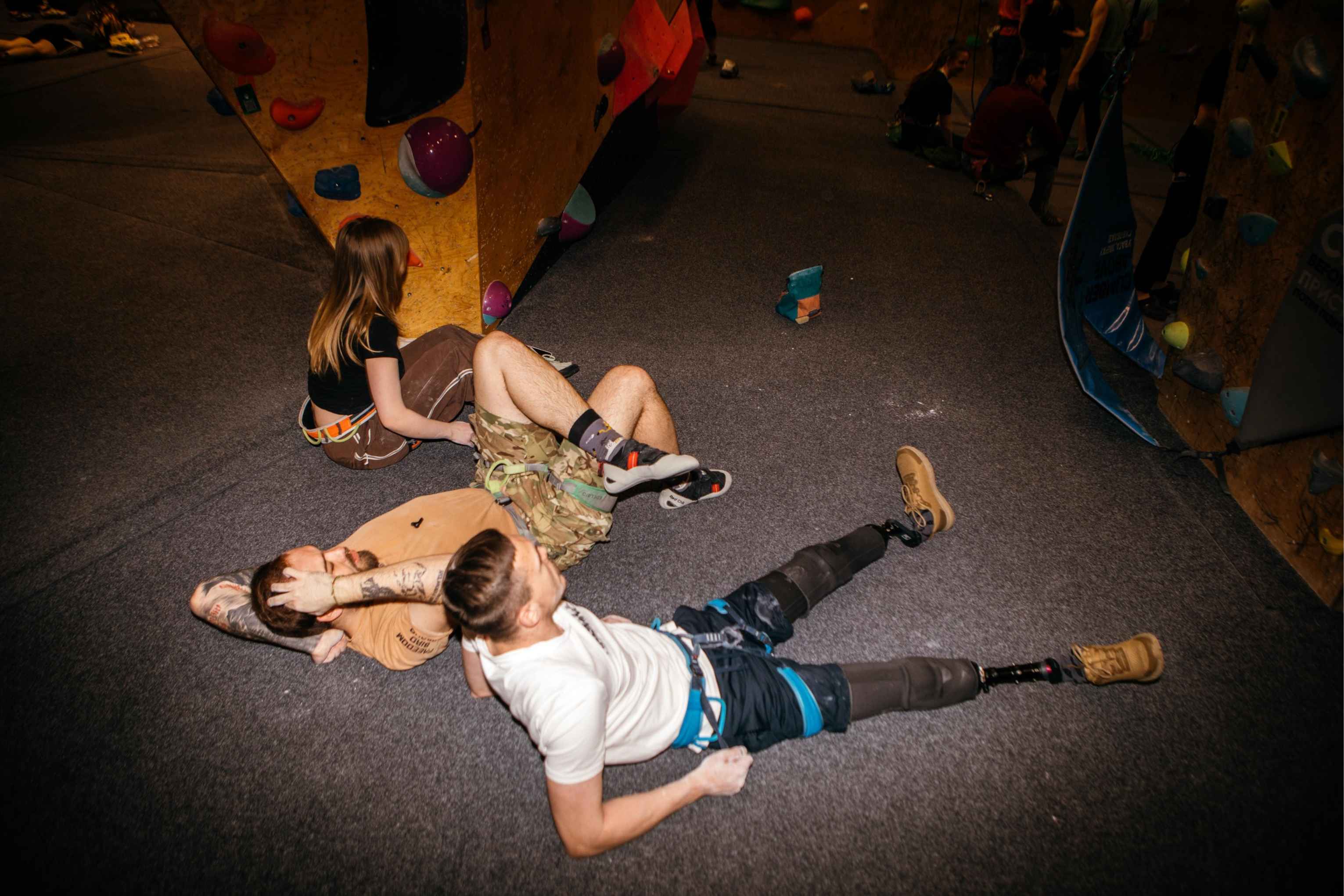
- 📸 Our Editor-at-Large, Kang-Chun Cheng, spoke with Summit Journal for its Q&A series, Reporting From the Front Lines.
She discusses her reporting in Ukraine, including how climbing helps war veterans recover from physical and psychological trauma. She also reflects on her experiences as a photojournalist covering conflict, environmental issues, and biodiversity around the world: Why did she move from rural New Hampshire to Nairobi? What was it like to spend her twenties living in Kenya?
Check it out:
 Aaron Gerry
- 🐖 Welcome to the 13(!) new members who joined our community this week and got their membership matched up to 36x via NewsMatch!
- 🌳 Horticulturalists: Jasmine from Florida, Maggie from Georgia, Kelvin from Hong Kong, Emily from Indiana, Holly from Oregon, and V. from Washington!
- 🌱 Gardeners: Jack, Lori, and Tina from California, Sam from Delaware, Marcus from Connecticut, Rachel from Virginia, and Matt!