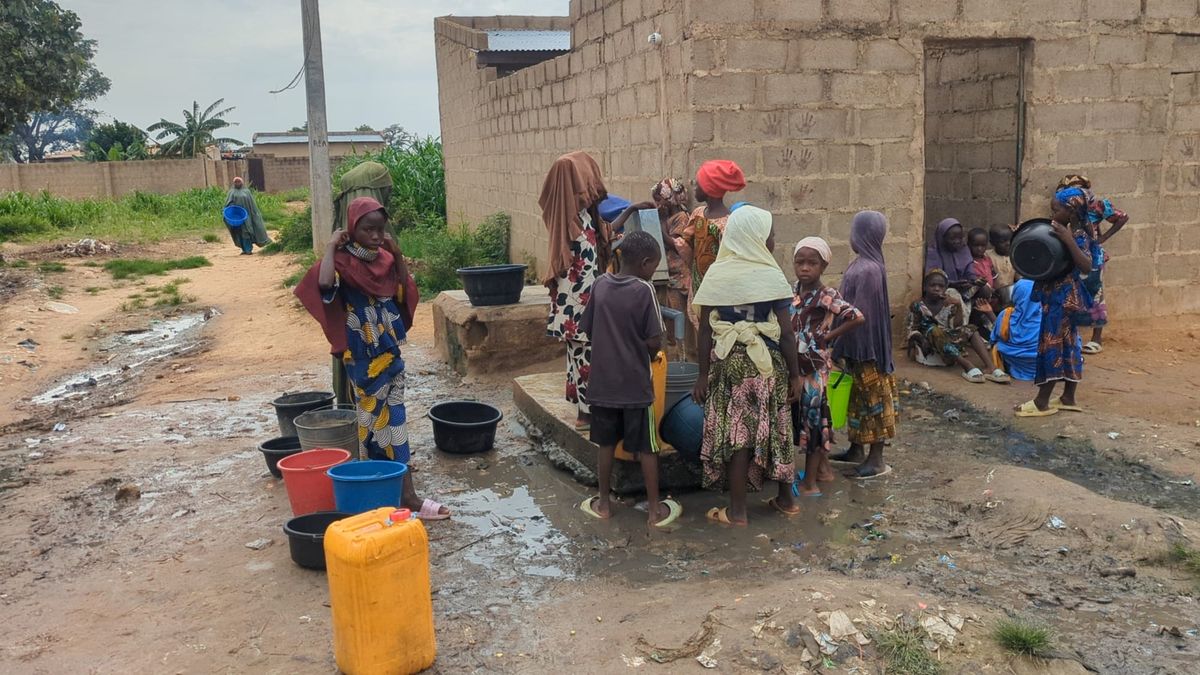
Water in parts of Kano, Nigeria, is well known to be brownish and have an unpleasant odour. But why is this the case when funds have been allocated to improve water infrastructure? What impact does consuming this water have on public health? These questions motivated us to produce an in-depth story on Kano’s water crisis.
Our search for information proved more challenging than we had anticipated. Not only did the state authorities fail to respond to our requests for information, but we were also denied access to the water treatment plant. These obstacles, however, led us to conduct a series of interviews with residents and thoroughly assess all available documents concerning the plant’s operations.
These limitations reinforced our understanding of the importance of such reporting. Can you believe that this water crisis persists even after the state increased its water-supply budget by 54% in mid-2025?
The disparity between the funds spent and the results achieved, or the lack thereof, became apparent to us. Our findings highlighted a crucial point: increased expenditure does not always translate into improved public services.
The dire water situation has fuelled the growth of an informal water-vending economy, forcing residents to shell out more money to access safer water and reduce their risk of contracting diseases such as cholera.
Our investigation gave affected residents a platform to voice their concerns and hold the responsible agencies accountable. Clean water is a fundamental right, and its absence disproportionately affects communities' health and well-being.
 Lukman Abdulmalik/Nigeria Health Watch