
A fortnight ago, I took my younger brother to the hospital to find out why he had a persistent cold and kept sneezing. For nearly two years, I had watched him reach for his handkerchief repeatedly, avoid ice cream, and endure sleepless nights during bouts of congestion.
He had received several diagnoses over the years: a deviated nasal septum, sinusitis, and other possible causes. A blood test at a hospital we trusted revealed another problem: vitamin D deficiency. The ENT doctor suggested it could be contributing to his recurring symptoms.
My brother spends long hours outdoors, supervising a construction project in rural Andhra Pradesh, India. His skin has become visibly tanned from working under the harsh sun. How, then, could he have a vitamin D deficiency — a nutrient the body produces when the skin is exposed to ultraviolet B (UVB) radiation?
The ENT doctor told me the hospital had seen a rise in vitamin D deficiency cases among outdoor workers over the past five years. “If you look closely at their cases, it could be due to layers of pollution preventing UVB rays from reaching them,” the doctor said.
That prompted me to look more closely at the village where my brother works. It is a hub for the granite industry, where dust and industrial emissions are part of the everyday environment. After two weeks of taking vitamin D supplements, my brother says his symptoms have subsided.
A 2025 study published in Atmospheric Environment, titled “Effects of Different Aerosol Types on Surface UV Radiation in the 21st Century,” found that organic aerosols and dust had the greatest overall effect in reducing surface ultraviolet radiation, followed by black carbon. The study also identified South and East Asia as regions where aerosols have contributed to declining surface UV radiation levels.
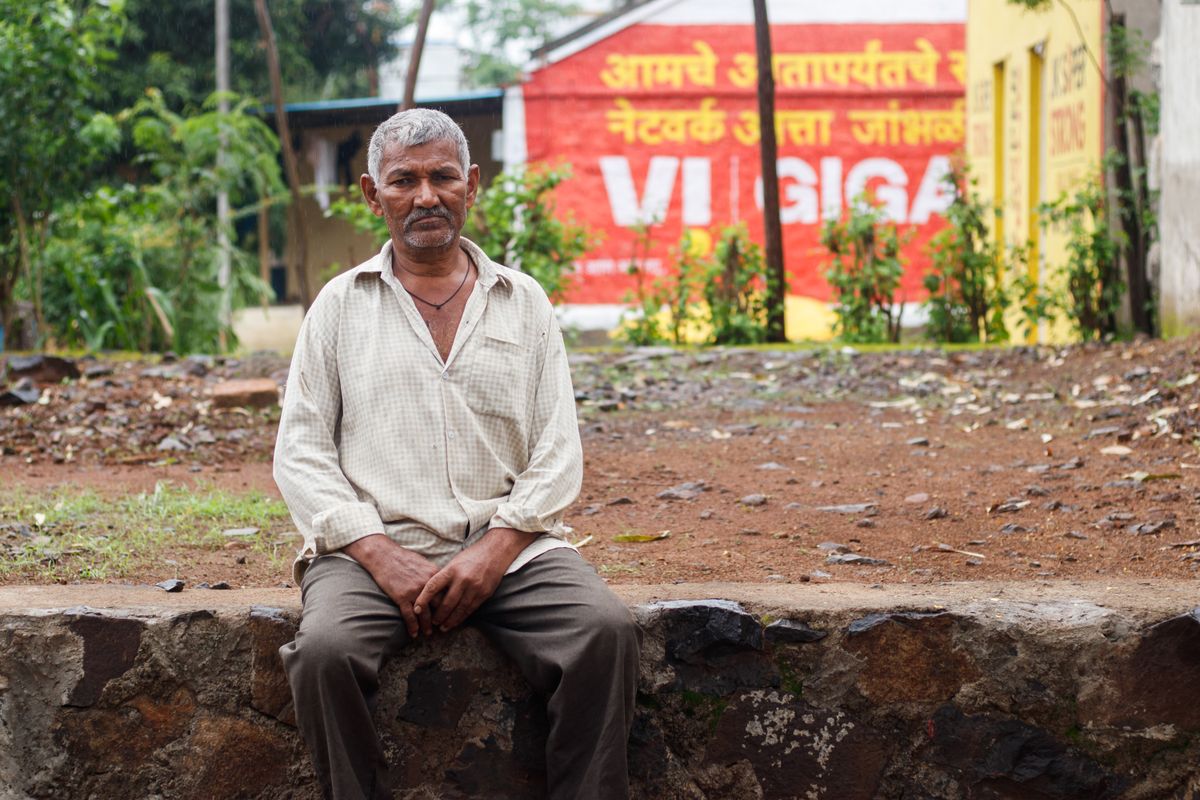
Time and again, we at The Xylom have been investigating the effects of pollution on the most vulnerable communities, in ways that we couldn’t have imagined. In August 2025, our contributor Sanket Jain investigated how prolonged exposure to industrial air pollution may be affecting the hearing health of farming communities in Maharashtra.
 Sanket Jain
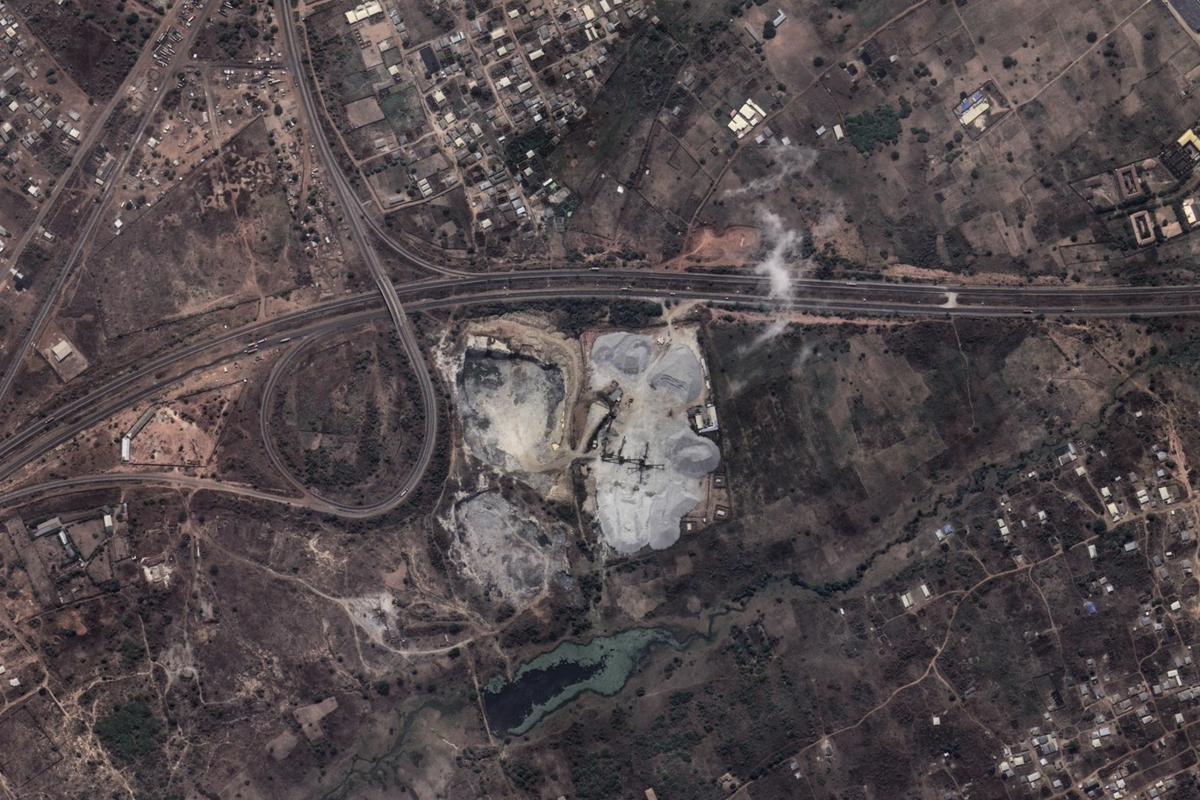
Samad Uthman and Samuel Ajala's investigation from Nigeria found that communities living near granite quarries were exposed to high levels of particulate pollution. Using air-quality sensors over three months in 2024, The Xylom recorded average PM2.5 concentrations of 142.7 μg/m³ in Karshi, nearly 10 times the WHO guideline, and PM10 levels of 149.6 μg/m³, more than three times the guideline. Residents reported persistent dust, respiratory problems, and chest tightness.
 Abdulwaheed Sofiullahi
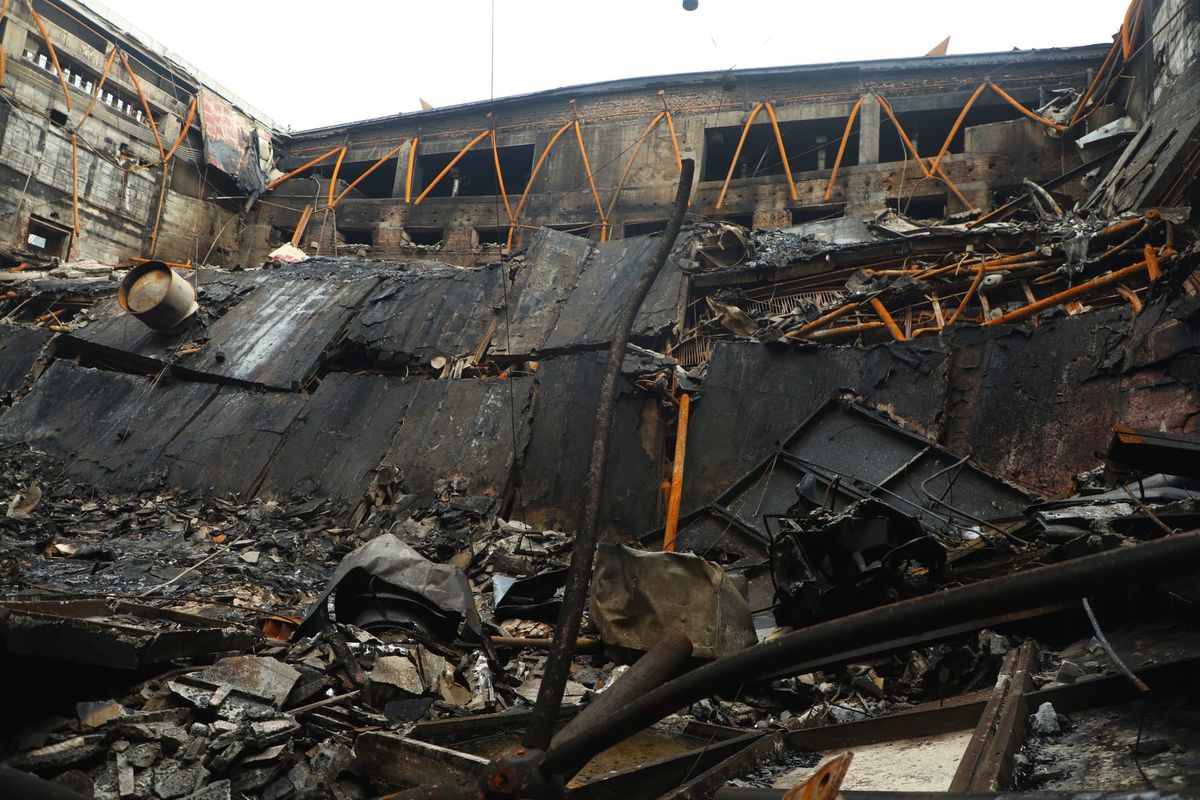
At the risk of bragging a little, I’d also like to remind you that tanka dhakal’s story on the effects of air pollution during Nepal’s Gen-Z protests recently won the South Asian Journalists Association Outstanding Student Journalism Award.
 The Xylom
We’re determined to get to the bottom of the often-unpredictable effects on health and the environment, because the health and livelihoods of the people closest to us are at stake too. We’d love to pursue these stories with your support.
Warmly,
Laasya Shekhar,
Managing Editor
🌞 NEWS BEHIND THE NEWS
- 🐖 Welcome to the new members who joined our community this week and got their membership matched up to 12x via NewsMatch!
- 🌳 Horticulturalists: Alexander from Texas
- 🌱 Gardeners: Rowan from Georgia
- ⭐ Congrats to the following alums who have recently won awards:
- Congrats to our contributor Ellie Rose Mattoon, whose new novel, The Maverick's Midwife, got published this week! You can purchase the book at our Bookshop.
(The Xylom has a relationship with Bookshop.org. If you make a purchase through the Bookshop links on our site, we may earn an affiliate commission.)
 Ellie Rose Mattoon